Leak Repair
A leak inside rarely starts where the stain shows. We trace it to the actual point of entry on the roof and repair that, not just the spot below it.

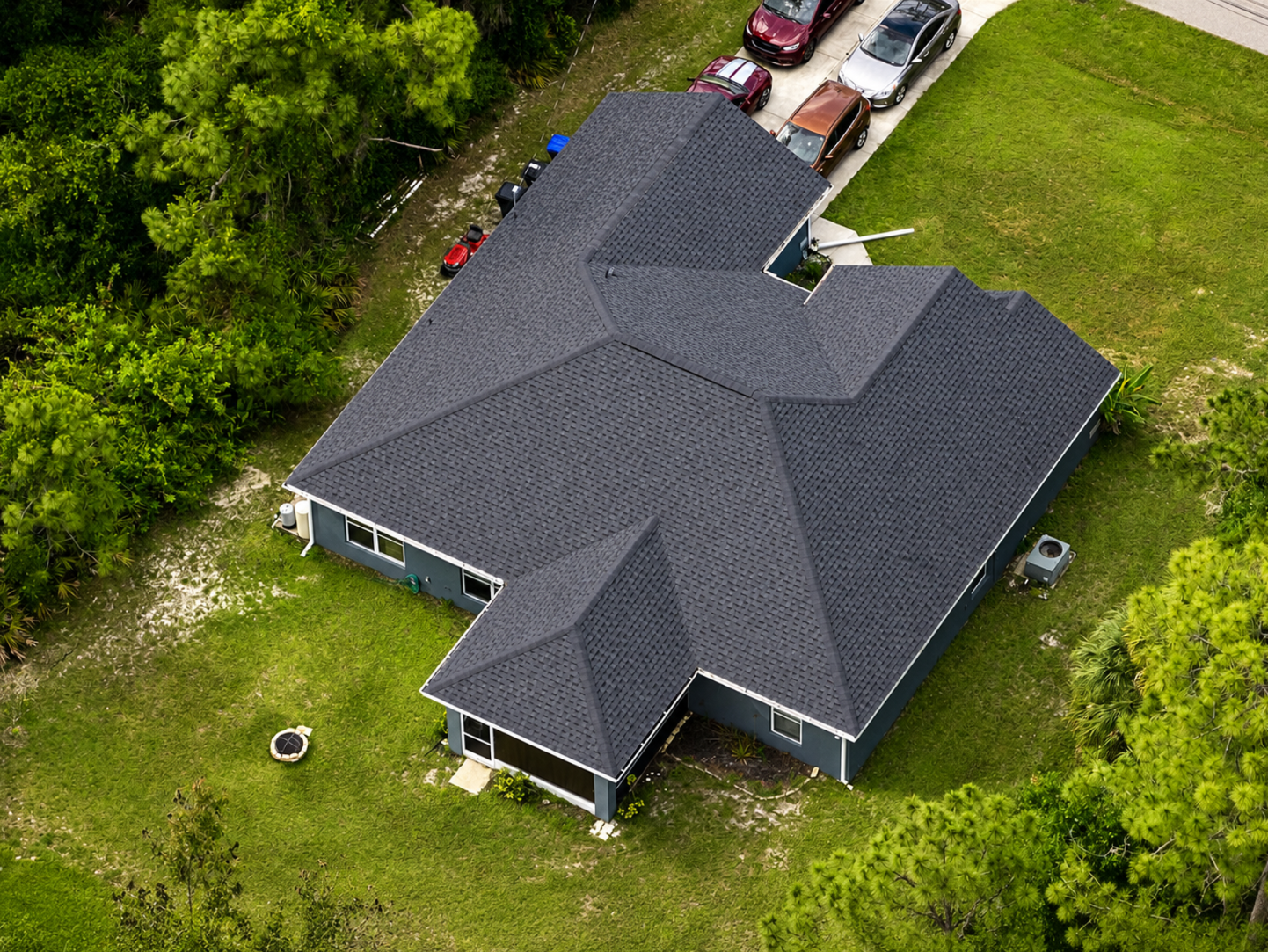
Leak repair, storm and wind damage, and flashing and valley work — documented and priced in writing before any work begins.
Roof repair fixes a specific failure (a leak, a lifted shingle, damaged flashing) without replacing the whole roof. Most repair calls in southwest Wyoming trace to wind or ice at the roof edge rather than old age. At Evanston’s 6,749-foot elevation, per the US Census Bureau, freeze-thaw cycles run through most of the winter, which works fasteners and seams loose.
Gregco Roofing & Construction has repaired roofs across the Evanston corridor since 2011. We inspect the problem and the roof around it, photograph what we find, and put the scope in writing before anyone discusses price. We document. You decide.
A repair candidate is a roof with a defined problem and a sound deck underneath it: a torn shingle course, a cracked pipe boot, a valley that was never flashed correctly. We open the area, look at what is under the surface, and tell you honestly whether a repair will hold or whether the roof needs more than that.
A leak rarely starts where the stain shows — we trace it before we write the scope.
A leak inside rarely starts where the stain shows. We trace it to the actual point of entry on the roof and repair that, not just the spot below it.
Lifted shingles, dented flashing and wind-driven gaps get assessed and repaired against what the roof actually shows, slope by slope.
Valleys, chimneys, vent boots and wall flashing fail before the open field of a roof does. We rework the failed detail rather than patch around it.
Before work starts you get a written scope: what failed, what the repair covers, and what it does not — in writing, not a verbal promise.
Four steps, always in the same order: on-site inspection, photo documentation, written repair scope, we do the work.
Ten questions about leak repair, ice dams, and whether a repair still holds at eighteen years old.
The deciding factor is the deck under the shingles, not the shingles' age by itself. A roof with one damaged area and a sound deck underneath is usually a repair candidate. Granule loss across most slopes, soft spots underfoot, or rot found once we open the area point toward replacement instead. See the full repair-or-replace decision guide.
No two leaks cost the same, because the price follows what caused the leak, not the leak itself. A torn pipe boot found on the surface costs less than a leak traced back through soaked decking that has to come out and be replaced. We open the area, show you what is underneath, and price the scope we actually find — not a guess made from the ground.
Yes, with the method adjusted for the cold. Asphalt shingles get brittle in freezing temperatures and can crack if bent too far, so winter repairs avoid forcing old shingles flat and move at a slower, more careful pace. An active leak gets addressed regardless of season; a full reroof is more often scheduled for milder weather.
There is no set number, because the length follows what the crew finds once the area is open. A surface flashing fix can finish in a few hours. A repair that uncovers rotted decking takes longer, since new sheathing has to go in before shingles go back down. We give you the schedule once we can see the full scope, not before.
Usually, yes, even without an active drip. Water travels along the underside of the roof deck and the rafters before it finds a path down through drywall, so a stain can sit a long way from where water is actually entering the roof. A stain with no drip often means the leak is small or intermittent, not that it has stopped.
Wind pushes rain sideways and up under roof edges and shingle laps that stay dry when rain falls straight down. A shingle with a broken seal, a lifted ridge cap, or a gap at a rake edge can shed water fine on a calm day and still leak every time the wind comes from one particular direction.
Often, within limits the manufacturer sets, not us. Shingle colors and even profiles get discontinued, and years of sun fade the existing field, so a patch can end up a shade off no matter how close the match starts. As a GAF Certified contractor, we work from GAF's current color lines and tell you before work starts if an exact match is not available.
Age alone does not decide it — condition does. An 18-year-old roof with one damaged area and a sound deck underneath is often still a good repair candidate. The same roof with granule loss across most slopes, several past repairs, or a soft deck underfoot is closer to the point where another patch just delays a replacement that is already due.
An ice dam is a ridge of ice at the eaves that forms when snow higher on the roof melts, runs down, and refreezes where the roof edge is colder. Repair fixes the damage a dam already caused — soaked decking, lifted shingles, water inside the soffit — but the dam itself returns each winter unless the heat loss driving it changes.
No. The first roof inspection is complimentary for properties in the service area, and that includes the visit where we look at a reported leak or repair issue. You get the same photo record and written scope from that visit as from any other inspection Gregco does.
WYOMING SERVICE AREA
Roof Repair is available across Evanston, Kemmerer, Cokeville, Rock Springs, Green River, Mountain View, Lyman — every listed city links to its own page.
Loading interactive map…
Red pins identify communities where Gregco currently accepts service inquiries. The map is for orientation, not a surveyed service boundary.
Request a roof repair estimate
Share the address, what you noticed, and when the issue began. Gregco will confirm the service area and contact you about the next step.